From Decay to Delight: Identifying and Rehabilitating Compromised Trees in Your Yard Jan 29, 2026
Identifying compromised trees in your yard often begins with a careful visual inspection. Look for common signs of decay such as mushrooms or fungal growth at the base of the tree. These are often indicators of internal rot. Also, keep an eye out for peeling bark and any large cracks or cavities in the trunk, as these are signs of structural weaknesses that can compromise the tree's stability. Dead branches or limbs falling more frequently than usual are further indications that a tree might be struggling.
Another critical aspect of tree assessment is the health of its leaves. Discolored or wilting leaves, especially if they appear during the growing season, can be a signal that the tree is not well. Compare the leaves to other trees in your yard; drastic differences usually mean trouble. Root rot is also a common issue that trees face, typically resulting from poor drainage or soil compaction. Look for exposed roots that are brittle or decayed, indicating that the tree may not be fully receiving the nutrients it needs.
Once you have identified a tree at risk, the next step is rehabilitation. Start with a pruning strategy to remove dead or diseased branches, as this promotes good air circulation and allows sunlight to penetrate more effectively. Proper pruning enhances the tree's natural shape and strength. For trees suffering from nutrient deficiencies, applying a suitable fertilizer can help rejuvenate their health. Samples of your soil will also ascertain any amendments needed for optimal growth conditions.
Sometimes rehabilitation involves more advanced solutions. Cabling and bracing are structural support systems that can reinforce a weakened tree. They are especially useful for trees with splits or cracks, reducing the likelihood of failure during strong winds or storms. Another strategy includes the meticulous task of root pruning, which encourages new root growth when trees have been compromised by compacted soil.
Moreover, preventatively planting new trees as existing ones decline ensures continuous foliage and shade in your yard. Lawn Ranger Yard and Tree Service LLC can guide you on the best species suited to your local climate and soil conditions, ensuring they too will thrive for years to come.
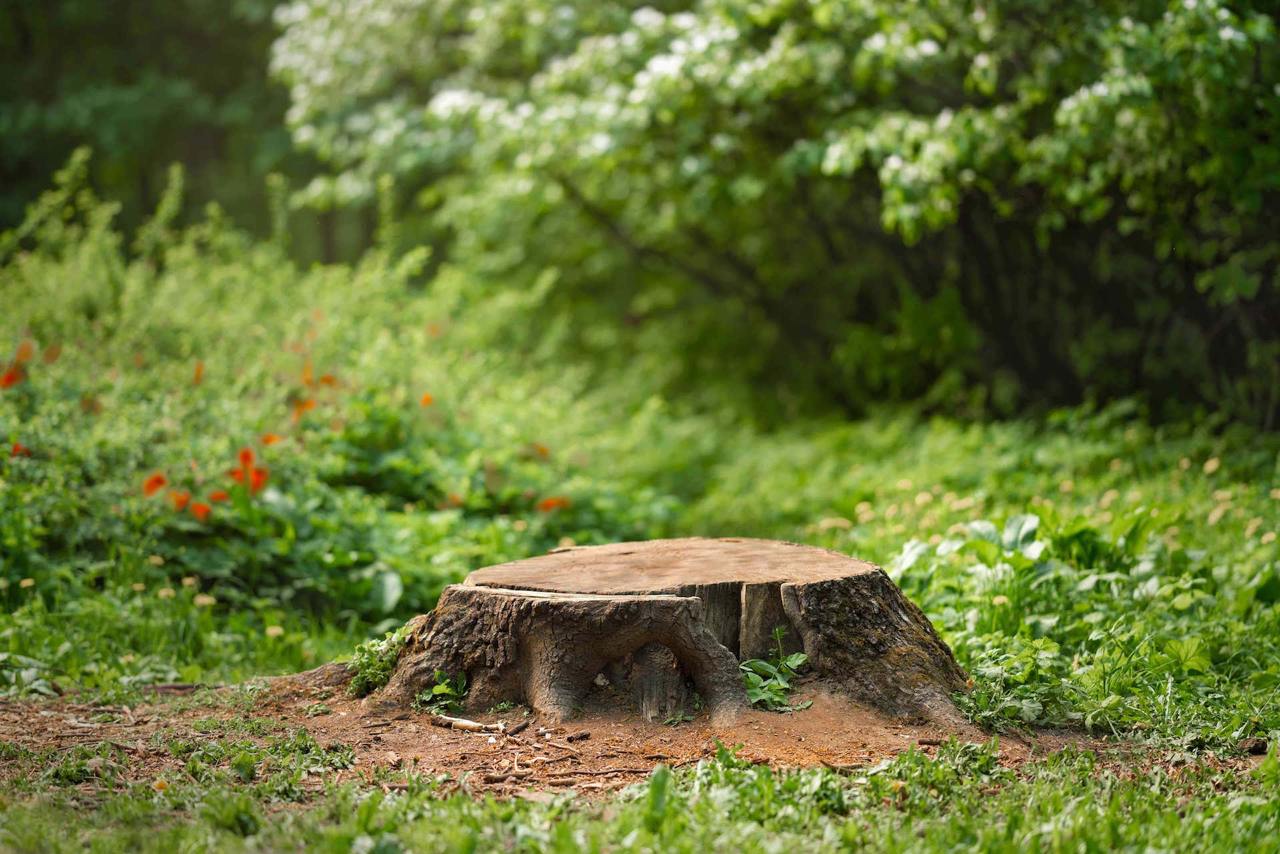
In cases where a tree is beyond saving, removal may be the only viable option to protect not only your property but also the surrounding landscape. Professional arborists from Lawn Ranger Yard and Tree Service LLC can ensure this process is carried out safely and efficiently, leaving your yard free of hazardous decayed trees.
In conclusion, identifying and rehabilitating compromised trees transforms them from potential dangers to delightful features in your yard. Regular maintenance and assessment can preserve their health longer, ensuring they remain a beautiful and integral part of your landscape. By taking proactive steps with help from experts like Lawn Ranger Yard and Tree Service LLC, your trees will continue to enhance your outdoor space, season after season. Remember, a vigilant eye and timely intervention keep decay at bay and bring delight to your yard.
/filters:no_upscale()/filters:format(webp)/media/e2b6ae5e-1ad7-4267-9c02-5fb3ac23b3bd.jpeg)
/filters:no_upscale()/filters:format(webp)/media/4ac9a26a-061e-4eb6-b08e-f4867be7887c.jpeg)